5 Reasons Why Solar Lights Are the Future of Eco-Friendly Lighting
Jan 09, 2026
Amidst the global wave of sustainable development, the environmental transformation of the lighting sector has become an inevitable trend. Traditional lighting systems rely on fossil fuel-generated electricity, resulting in high carbon emissions and numerous limitations such as long-term costs and grid dependency. Against this backdrop, solar lights have emerged as the core choice for leading the future of eco-friendly lighting due to their unique advantages. This article will delve into the key reasons behind this trend from five core dimensions.
Reduction of Carbon Footprint
The Carbon Emission Pain Points of Traditional Lighting
Traditional lighting systems heavily depend on fossil fuels like coal, oil, and natural gas for power generation. During electricity production and transmission, greenhouse gases such as carbon dioxide and methane are continuously emitted, directly exacerbating global climate change. Data indicates that approximately 15% of global electricity consumption is allocated to lighting, with traditional lighting's carbon footprint being a significant contributor. This reality makes it a major component of urban carbon footprints and a critical focus area for environmental transformation.
Zero-Emission Advantage of Solar Lights
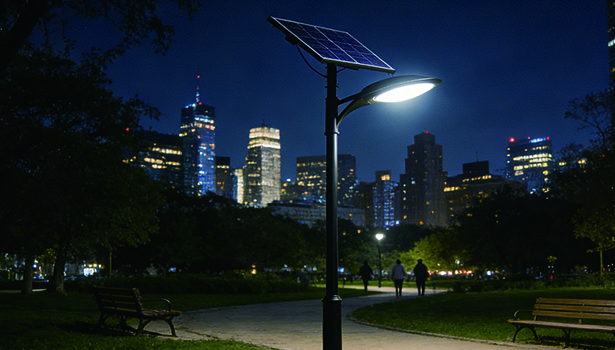
Solar lights harness photovoltaic technology to capture solar energy and convert it into electricity, achieving zero carbon emissions throughout their entire operation. Their energy source is clean, renewable solar power, eliminating the need for any fossil fuels and fundamentally severing the carbon emission chain in the lighting process. This entirely eco-friendly energy utilization grants solar lights unparalleled ecological advantages over traditional lighting, making them an ideal choice for environmentally conscious illumination.
Practical Value for Global Sustainability Goals
Governments and international organizations worldwide are enacting climate governance policies with concrete carbon reduction targets. Promoting solar lighting systems significantly reduces cities' overall carbon footprint, serving as a key measure to achieve local and global sustainable development goals. This choice aligns with policy directives while providing a practical lighting solution for climate change mitigation, making a substantial contribution to global ecological conservation.
Cost Efficiency
Balancing Initial Investment and Long-Term Benefits
Although the initial purchase and installation costs of solar lighting systems are relatively high, their cost advantages become exceptionally evident from a long-term operational perspective. The core costs of traditional lighting lie in ongoing electricity expenses and frequent maintenance fees, whereas solar lights completely eliminate these recurring long-term costs. This “initial investment, long-term benefit” model aligns better with long-term economic planning and is more suitable for users with limited budgets who seek lasting value.
Cost Comparison Between Solar Lights and Traditional Lighting
|
Cost Type |
Solar Lighting |
Traditional Lighting |
|
Initial Investment |
Higher (includes solar panels, LED fixtures, batteries, etc.) |
Lower (fixtures and basic installation only) |
|
Long-Term Electricity Cost |
Zero (solar-powered, no grid dependency) |
Ongoing costs, subject to electricity price fluctuations |
|
Maintenance Cost |
Low (durable components, low average annual maintenance expense) |
High (regular bulb replacement and cable inspection required) |
|
Infrastructure Cost |
Low (no trenching or cabling required) |
High (requires cable laying and power supply infrastructure) |
Cost Advantages in Special Scenarios
In remote areas, mountainous regions, wetlands, and other unique environments, traditional lighting systems require costly trenching and wiring projects that may encounter technical challenges or strict ecological conservation restrictions. Solar lights eliminate the need for complex infrastructure, delivering comprehensive lighting coverage at a lower overall cost. This feature makes them particularly suitable for municipal departments with limited budgets seeking to illuminate public spaces, while also offering innovative lighting solutions for specialized areas.
Grid Independence
The Ideal Choice for Off-Grid and Remote Areas
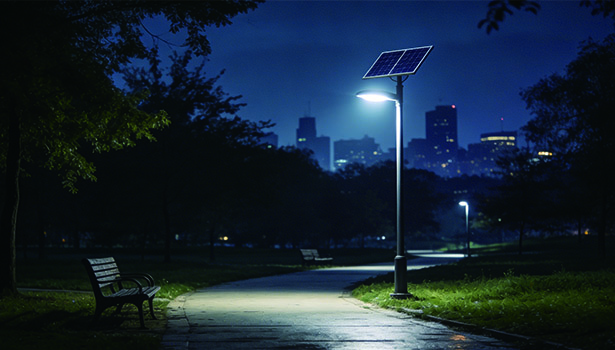
Solar lights operate completely independently of the power grid, requiring no reliance on electrical transmission lines. For remote villages, wilderness work zones, border outposts, and other areas beyond grid coverage, solar lights provide a self-sufficient, perfect lighting solution. This option avoids the high costs and complex technical challenges of extending the grid while solving lighting challenges in remote regions, providing foundational support for local development.
Reliability in Emergency and Disaster Scenarios
During power outages, planned blackouts, or sudden disasters like earthquakes and floods, traditional lighting systems fail completely, severely disrupting daily life and rescue operations. Solar lights, powered by their own energy storage systems, maintain stable operation without grid support. This capability makes them crucial for emergency response and disaster zone illumination, significantly enhancing regional disaster prevention and mitigation capabilities.
Low Maintenance and Longevity
Core Component Longevity Advantages
The core components of solar lights exhibit exceptional durability. High-quality photovoltaic panels boast a lifespan of 20-25 years, while LED bulbs last over 50,000 hours. Based on 12 hours of daily use, LED bulbs can operate continuously for over 11 years. In contrast, traditional incandescent bulbs last only 1,000-2,000 hours, while fluorescent bulbs last approximately 8,000-10,000 hours. This stark difference in lifespan highlights the distinct advantage of solar lights.
Practical Value of Low Maintenance
Solar lighting systems feature a simple and rational structural design with highly stable core components, resulting in a significantly lower overall failure rate compared to traditional lighting systems. This means they require minimal professional maintenance or component replacements during operation, substantially reducing labor and material costs associated with upkeep. This low-maintenance characteristic not only cuts down on long-term investment but also enhances convenience, saving users considerable time and effort.
Adaptability Advantages for Public Spaces
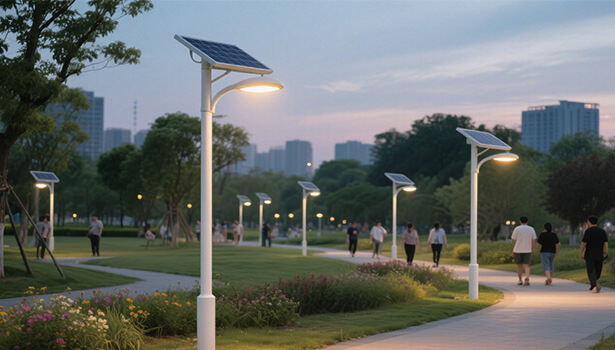
In public areas like parks, plazas, and city streets, frequent maintenance of traditional lighting not only incurs high costs but may also disrupt normal public activities or even affect traffic order. The low-maintenance nature of solar lights effectively avoids these issues, providing stable and continuous lighting support for public spaces. This advantage makes them the preferred solution for public space lighting, earning recognition from numerous municipal departments.
Versatility and Scalability
Adaptability Across Diverse Scenarios
Solar lights offer extensive application versatility, enabling customized lighting solutions tailored to specific needs. Whether for residential courtyard illumination, public park landscaping, parking lot security lighting, or rural living areas, solar lights deliver precise adaptation. This broad adaptability breaks traditional lighting limitations while expanding user options, fulfilling diverse lighting requirements.
Flexibility in Installation and Expansion
Solar lights require no complex wiring projects, ensuring a simple and swift installation process. Their placement can be flexibly adjusted based on actual needs. Simultaneously, they offer exceptional scalability—whether for small-scale residential lighting projects or large-scale municipal lighting initiatives, the system can be gradually expanded as required. This expansion requires no overhaul of the entire system; simply adding additional fixtures suffices, making the process convenient and cost-effective.
Universal Adaptability Across Urban and Rural Areas
Solar lights effortlessly meet demands ranging from refined lighting upgrades in urban cores to basic illumination coverage in rural areas. They overcome existing infrastructure limitations without relying on extended city grids, providing a unified solution for integrated urban-rural lighting upgrades. This capability not only drives eco-friendly transformations in urban lighting but also advances rural infrastructure development, narrowing the lighting gap between urban and rural areas.
Solar lights perfectly align with the era's demands for environmental transformation and infrastructure upgrades through five core advantages. As photovoltaic technology continues to evolve and costs steadily decline, their application scenarios will expand further, establishing them as the mainstream choice in the lighting sector. Choosing solar lights is not only a direct manifestation of environmental responsibility but also a wise decision that delivers long-term economic benefits and enhances quality of life. This choice will help us build greener, more sustainable future cities and living environments.