-
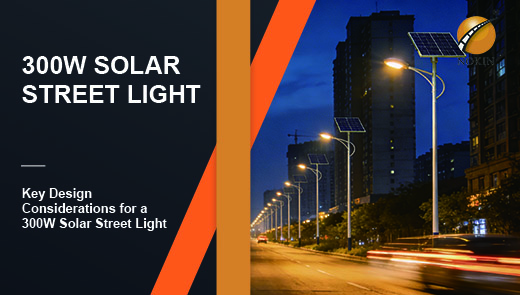
Key Design Considerations for a 300W Solar Street Light
Dec. 31, 2025Explores core design considerations for 300W solar street lights, covering solar panel selection, battery configuration, LED performance, intelligent control systems, weatherproof design and life cycle cost management, along with optimization strategies for efficiency and stability.View More + -
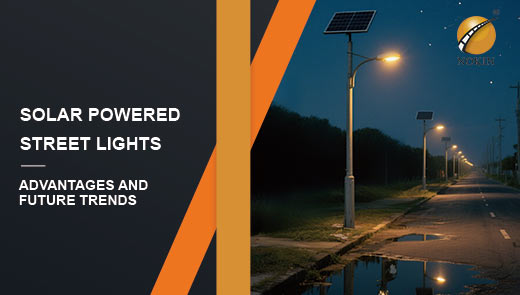
Solar Powered Street Lights Advantages and Future Trends
Dec. 30, 2025Discover solar street lights' benefits: zero electricity bills, 3-5yr payback, eco-friendly & smart control. Ideal for cities, rural areas & emergencies—learn more!View More + -
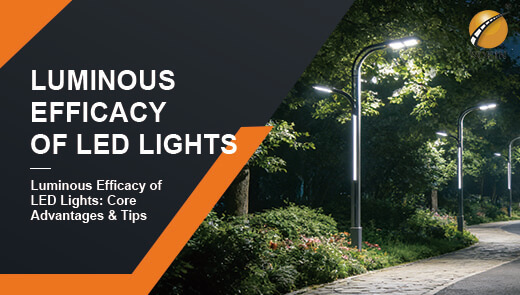
Luminous Efficacy of LED Lights: Core Advantages & Tips
Dec. 29, 2025Explores LED luminous efficacy as a core performance indicator, analyzes its advantages in energy saving, cost reduction and environmental protection, proposes optimization methods, and highlights its application value in solar LED street lamps amid global energy transition and dual-carbon goals.View More + -
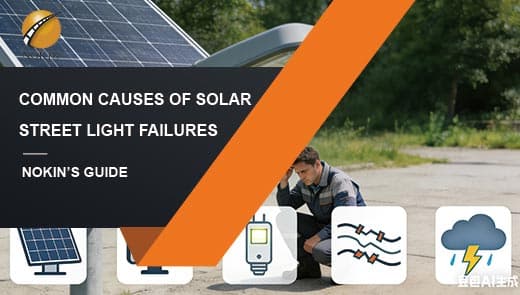
Common Causes of Solar Street Light Failures
Dec. 26, 2025Discover top causes of solar street light failures (battery, panel, controller) + practical fixes. Choose reliable products & cut maintenance costs—learn more now!View More + -
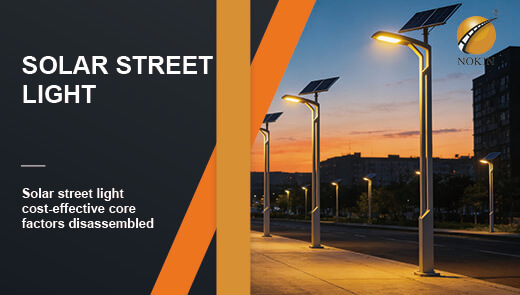
Solar street light cost-effective core factors disassembled
Dec. 25, 2025Explores core factors determining solar street light cost-effectiveness, including photovoltaic panel power matching and material types, battery performance comparisons, LED light source parameters, intelligent control systems and overall protection levels, offering practical selection guidance for municipal and rural applications.View More + -
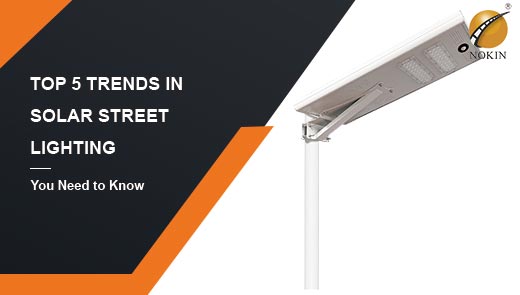
Top 5 Trends in Solar Street Lighting You Need to Know in 2026
Dec. 24, 2025Discover 2026’s key solar street light trends: IoT integration, high-efficiency LED/MPPT tech, all-in-one design & hybrid power. Boost savings, smart city readiness—start planning now!View More +